Denture Clinic Gold Coast: Getting Grip on Common Denture Issues

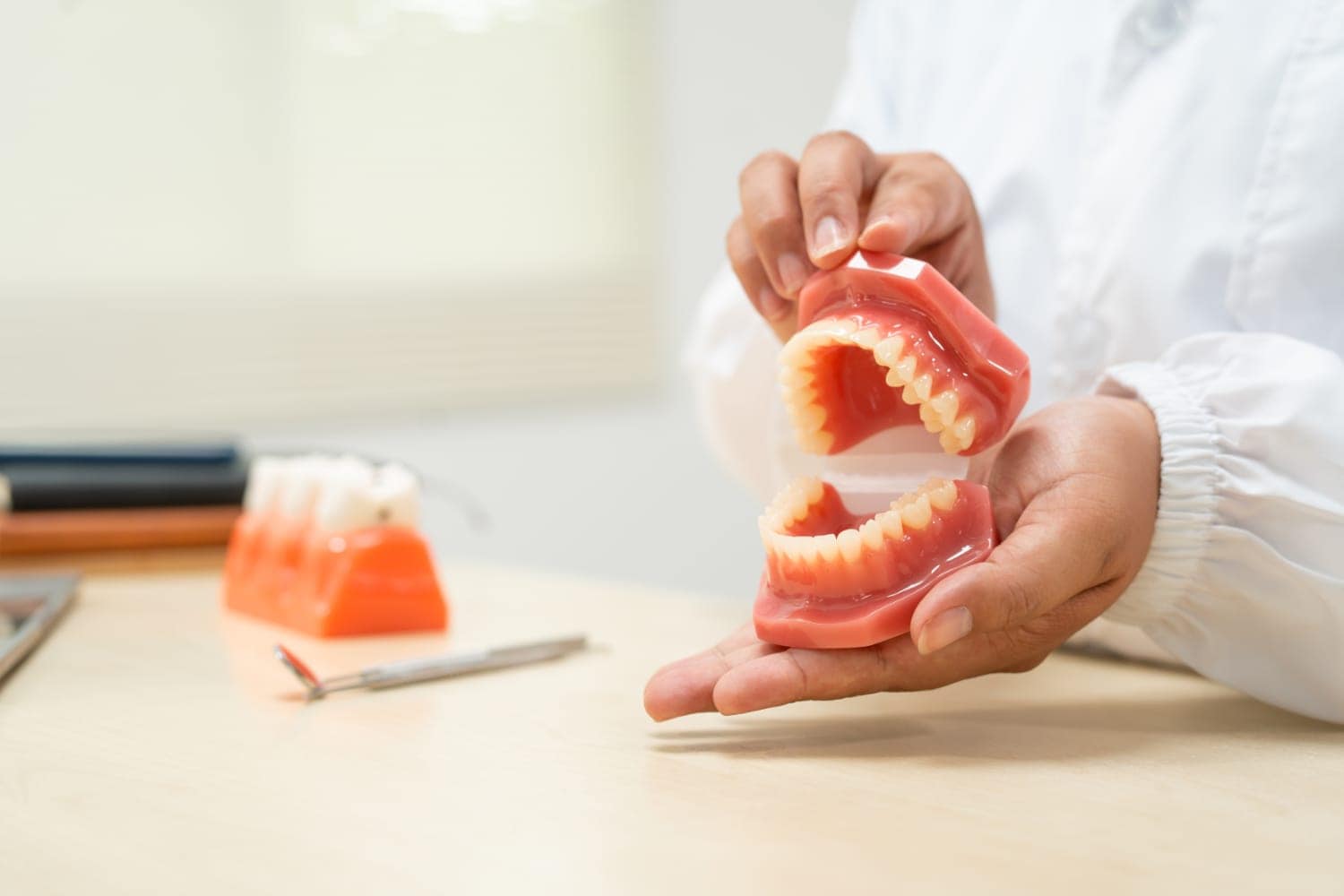
Dentures are meant to give you a full set of teeth again – but they’re not a “set and forget” job. Over time, your mouth changes shape, you might knock them around, and even normal wear can start causing some real problems with how they fit and feel. Knowing what the most common denture issues are can help Gold Coast residents work out if a visit to the denture clinic is on the cards.

Loads of people just assume that a bit of discomfort is just part of getting older, but in reality, most problems can be fixed with the right treatment. So it’s worth getting to know what causes these issues and how to fix them, so you can keep your mouth healthy and your quality of life on track.

Why Denture Problems Crop Up

Your mouth is always changing, and even after you get your dentures fitted, your gums and jawbone keep moving and changing shape. That gets in the way of how your dentures fit and work.

And let’s be honest, daily use takes its toll on denture materials – just think about all the chewing, talking, cleaning and accidental drops you put them through. Some problems creep up slowly, while others come out of the blue and need sorting right away.

Loosening Dentures

Loose dentures are one of the most common complaints from people who wear dentures.

A denture that once fitted snug as a bug may start flopping around when you eat or talk. This usually happens because the underlying gum and bone structure has shifted since the denture was first made.

Getting a Loose Denture Back on Track

A professional might recommend a denture reline, which is just a fancy way of saying that they’ll adjust the inside of the denture so it matches the shape of your gums as they are now.

But sometimes, particularly if you’ve got older dentures, it might make more sense to get a new one.

Sore Spots and Gum Irritation

It’s not uncommon for small areas of the gums to get irritated when a denture puts pressure on them.

You might notice these sore spots when you’re eating or after you’ve been wearing your dentures for a while. The thing is, if you just leave it, it’s going to get worse over time.

What to Do About It

A simple denture adjustment is usually all you need to sort out the problem. The dentist will identify the areas of pressure and tweak them so they’re not so uncomfortable any more.

And of course, a regular check-up can help spot these minor irritation issues before they become major problems.

Cracked Dentures

Denture materials are tough, but even they can develop cracks.

Dropping your dentures can cause a crack, or sometimes it’s just a case of gradual wear and tear over time. Either way, you don’t want to ignore a crack in your denture – even a small one can cause problems with fit and increase the risk of a complete breakage.

Broken Denture Teeth

Just like natural teeth, denture teeth can chip or break.

It’s easy enough for a hard food to snap a tooth off, or for an accident to cause a break. And once you’ve got a broken tooth, it can make eating and looking after your dentures a lot harder.

Fix It or Get a New One?

It really depends on the extent of the damage. A professional assessment will help decide if you can just get it fixed, or if a whole new denture is the way to go.

Trouble Eating Certain Foods

Loads of people with dentures find that their eating habits change.

You might find that you’re avoiding certain foods because they’re too hard or too sticky. It can be frustrating, especially if you’ve got a big appetite and used to eating a really varied diet.

Now, it’s not always down to the denture itself. Sometimes it’s just a matter of getting used to eating differently, or of getting a few adjustments to how your denture fits.

Cutting your food into wee bits and chewing evenly on both sides of your mouth can often help.

Speech Problems

Speech can be a bit wonky when you first get your dentures fitted.

It’s just that your tongue is getting used to the new shape in your mouth, and it can take some time to get used to making certain sounds. Most people sort themselves out in the end.

But if speech changes persist long after you’ve got your dentures fitted, a check-up might be in order. Sometimes, fit issues can be causing problems with pronunciation.

Bad Smells and Stains

Dentures need to be cleaned every day to stay fresh and hygienic.

Food particles, bacteria and plaque can all build up on the surface of your dentures if you don’t take care of them properly. Before you know it, you’ve got an unpleasant smell or unsightly stains.

A good clean and a bit of regular maintenance can keep your dentures looking their best and smelling sweet.

When to Replace Your Dentures

Lots of people wonder how long dentures are meant to last.

Well, the answer is that it varies depending on how well you look after them, and how much they change shape as your mouth changes. But if you find that you’re constantly getting adjustments or repairs, it might be time to get a new set.

Signs that you might need new dentures include persistent looseness, visible wear, recurring cracks, or just a general feeling that they don’t fit right.

The Benefits of Regular Denture Check-Ups

Getting regular check-ups at a well regarded clinic like Harvey Smiles Denture Clinic on the Gold Coast can help spot any problems before they become major issues.

Small adjustments can often stop minor irritation from getting worse, and regular check-ups ensure your dentures are still fitting properly as your mouth changes over time.

Loads of people only go to the denture clinic when something goes wrong. But it’s worth coming back regularly to keep your oral health on track.

The Bottom Line

Denture troubles are really all too common – but that doesn’t mean you have to just put up with them. Loose dentures, sore spots, cracks in your denture, a broken tooth or two, or struggling to get a bite right while eating can all usually be sorted out with a bit of professional help.

For folks living on the Gold Coast with dentures, being aware of the signs that something’s going wrong early on is pretty key to keeping things running smoothly. Getting a grasp on what causes these common problems in the first place lets you catch any issues before they spiral out of control – which means you can keep your dentures in top condition for years to come.
Knowing how to find a good dentist

If oral health belongs to the top priority, finding a new dentist (if you don’t already have one) is the first and smartest step to do.

In Maroubra, knowing how to find is likely to get you a new and good dentist Maroubra for all your oral health care needs.

Regularly visiting a dentist is the best way to do when it comes to oral health care. Establishing a familiar relationship with a chosen dentist ensure the best oral health care as he/she becomes aware of your allergies, needs, and anxieties.

What are the best ways to do to find a new dentist? Here are some guidelines that can help you cinch the right dentist for all your oral needs.

The importance of a referral

If you are moving to a new place, getting referrals from your current dentist can be helpful. Go the extra mile by asking for referrals from a neighbourhood pharmacist or family physician. Put the word out in your social network to let everyone, from your parents, friends, and relatives know you’re looking for a good dentist.

The internet or Yellow Pages can also help. However, the claims you see may not be accurate. Word of mouth referral is better.

Location

The reputation of a new dentist can be wonderful. Yet, the location of the clinic to your location must be considered. How easy or hard is to travel or park in the clinic. Is there available public transportation in the area? Find out the office hours as well.

For instance, a dentist that only books weekday appointments may not match your schedule if you’re working Monday to Friday. Dental emergencies are also things to find out. Will the dentist handle emergencies if it happens on a weekend?

Calling prospective dentists

Calling beforehand can help you find out if the dentist is still accepting new patients. Talking to a receptionist is also a good way to check out for any attitude issues. Red flags include:

  • A front-desk staff that does not know how to answer your
    questions
  • Being placed on indefinite hold
  • Rushed and snappish replies to your questions

Visiting prospective dentists

A better perspective is provided if you take the time and effort to visit prospective dental clinics. Doing this provides you vital information about the amount of time spent in reaching the clinic or makes you aware if it’s an easy trip.

Walking in the waiting room of potential dental clinics enable you to check out whether they are well-organised, clean, and neat. You also get to check out the attitude of the office staff as they talk to you. Overall, did the environment make you feel comfortable?

Talking with the Dentist

A first visit with the dentist can help you see about his or her treatment approaches. Did his/her oral care plan include prevention measures? Was everything clearly explained?

Dentists employ varied treatment approaches. Some may require an x-ray and some veer towards cosmetic dentistry methods. Having a good idea about the dental treatment you want will make you see if the prospective dentist is a good fit or not.

Finding the best dentist-patient fit may take some time, effort, and money. However, the pay-off for you and your oral health is worth it.

Different types of dentists in Hervey Bay

Have you ever needed a dentist in Hervey Bay but you wonder the kind of dentist that you should visit? You are not the only person who may be having the same questions since there are so many types of dentists in Hervey Bay, each of them having different qualifications and providing various services. For you to get the right services from the dentists in Hervey Bay, you should ensure that you know the services that you need and the specific dentist to visit. In this article, we will help you in identifying the various types of dentists in Hervey Bay and the services they deliver.

General dentists

The general dentists in Hervey Bay are also known as family dentists. They are the type of dentists in Hervey Bay who provide the general oral health service regularly. They are also the most common types of dentist in Hervey Bay and even the areas that surround it. They offer services such as dental X-rays, dental cleanings, treating tooth decay, and even tooth whitening services.  Apart from those services, they also address other oral problems that may be affecting your oral health and even go to the extent of monitoring your neck, head, and mouth to find out whether their patients may be having other issues. In case the general dentist finds out that you are having a complicated oral health issue, they will refer you to another type of dentist who can treat you.

Orthodontist

Most people know that an orthodontist is the type of dentists who install braces, but they also have other roles that they play. The orthodontists in Hervey Bay are responsible for ensuring that they treat patients with misaligned teeth, jawbones, and other structures on their faces. Apart from patients, the orthodontists also help people who need to have their teeth aligned for beauty purposes. They are also known for designing oral hardware such as braces, dental alignment trays, and mouth guards.

Oral and maxillofacial surgeon

Oral and maxillofacial surgeons are dentists who deal with the hard and soft tissues in and surrounding the mouth. These tissues include the cheeks, gums, lips, hard and soft palate, tongue, and facial muscles. The dentists are different from others since they are trained in hospitals after they are through with their dental profession. For this reason, they can perform dental surgeries such as complicated tooth extractions, surgical jaw corrections, and smoothing for false teeth foundations.

Periodontist

The study of gums is called periodontists. Periodontists are the type of dentists that treat patients that require oral services like diagnosing, preventing, and treating different gum issues. Apart from treating gum tissues, the periodontists also install dental implants and also performing cosmetic skin grafting on gums. The general dentists seek dental advice from these the periodontists in case they require to know more about dental prevention and treatment methods for their patients.

Prosthodontist

Prosthodontists are dentists that provide oral prostheses or false tooth to replace damaged, decayed, or missing teeth. Such oral prostheses include bridges, crowns, tooth implants, veneers, and dentures. In most cases, these dentists will also work in dental labs where they can create their dental appliances and false teeth. The false teeth they make are used for both health and cosmetic purposes.

If you suddenly experience toothache in the middle of the night, Hervey Bay have emergency dentists available. They will be the one to assess your situation and give you pain relief. They will also refer you to the specific type of dentist who could help you correct your tooth problem.

Cosmetic Dentistry at Dental Clinic in Hervey Bay

Cosmetic dentistry at dental clinics in Hervey Bay is pretty common. It involves provision of professional oral care to ensure a brighter, whiter and a more beautiful looking set of teeth. While these procedures are definitely not necessary but for some people carry quite a bit of importance. It is more a matter of choice when it comes to cosmetic dental procedures. This doesn’t in any way undermine the importance of cosmetic surgery, it can also be a restorative procedure and has helped thousands of people gain back their confidence.

Some processes are pretty simple while others may be a bit more complicated and might require surgery. The following are a few common cosmetic procedures used at dental clinics in Hervey Bay.

Dental fillings

Teeth which have undergone mild decay would benefit from dental fillings. It can actually help save a tooth which is on the brink of falling out. Using inlays and on lays on the teeth can prevent tooth loss and help restore the structure of the tooth.

Inlays are placed directly in the teeth. This holds well for teeth which have a major damage. These inlays are made from composite resin materials and is attached to the teeth with the help of dental cement. These help strengthen the teeth and help restore the shape thus preventing further decay.

Bonding

Teeth which have become damaged or discolored often stand out from the rest of the teeth due to their dark color. Composite bonding help restore the color of those teeth to a more natural looking shade of white. The tooth decay is first gotten rid of drilling. The dentists then applies the composite to the surface of the tooth and sculpts it in the right direction to give the teeth a more natural look. This gives the tooth an appearance of being healthy.

Veneers

Veneers are designed from medical grade ceramic. A veneer is designed individually for each patient based on the structure of their tooth to give their teeth a more natural look. People with crooked teeth or teeth which have become cracked and damaged ue to any issue would benefit from the application of veneers.

Teeth whitening procedures

Bleaching teeth at a dentist’s office is the most common of all dental cosmetic procedures. Once the dentists removes the plaque or tartar from the teeth they can then administer the whitening treatment. Teeth might become stained due to drinking tea or coffee or also being exposed to cigarette smoke. The teeth when bleached start looking whiter.

Dental implants

Tooth loss is normally treated with the help of dental implants. A titanium screwn is inserted into the jaw in place of the missing tooth, this would provide support for the crown. Dental implants are indistinguishable from real teeth. When the bone and the tissue starts infusing with the implant, it tends to look more natural.

Medical Equipment Suppliers Australia

Our health is considered one of the most important aspects of life to be given priority on top of our human needs. It is considered an intangible wealth since a lot of interruptions and disruptions are likely to occur when we get sick and confined in our homes or at a local hospital. Employees will be forced to take a leave of absence or a week’s off due to unforeseen health circumstances that will, of course, affect the numbers on the payroll. Likewise, not being able to report for your work on time may not only deprive you of some of your benefits but also rob you of your productivity and job performance rating.

The above-mentioned scenario poses a lot of questions and uncertainties since you really do not know when you are going to get sick and how would it generally affect your well-being. This is probably the reason why, apart from people who took the oath of preserving peace and order, medical workers are obliged to report for duty 24/7. Dedicated and committed medical staff would even go beyond their hours of work just to serve the needs of the public. But did you ever ask who else is working for your health? These are people who silently provide not only the needed manpower but also a variety of medical equipment and supplies to meet each patient’s individual needs at every clinic or medical centre around Australia.

Medical equipment by Select Patient Care has committed and dedicated themselves in the timely and effective delivery of products or goods to wherever and whoever needs it the most. This article will hopefully portray and explain the role of humans, along with transportation and logistics in order to meet the demands of a standard and satisfactory health care services in the Australian setting.

The CT Scan

It is unfortunate that not everybody is familiar with this equipment unless they need one as part of their medication or upon the recommendation of a physician. These are very sensitive but also expensive medical equipment that needs extra care in handling and actual transportation. Suppliers also need a special vehicle or conveyance in transporting this equipment since their parts or components are very delicate, the same with the patients who are waiting to use them in the future. The cross-sectional scanner is the only option to check and diagnose malignant cancer or tumour in the brain and also helps in the diagnosis of blood clots during fatal accidents or identifying neurological ruptures in special cases of cerebral thrombosis.

The MRI

Another very important medical breakthrough is the magnetic resonance imaging equipment. In the past years when this equipment has not been invented yet, doctors would find it difficult to comprehend what is going on in the patient’s body why a certain disease or illness has suddenly conquered the body. With its innovation, doctors can now see what’s inside our body in order to recommend surgery and the appropriate oral medication.

The Laparoscope

Patients with complicated abdominal problems or concerns have to undergo a medical procedure known as laparoscopy. It is an instrument that utilises fibre optic technology and is inserted into a part of the body that was operated, particularly in the stomach, to closely look or visually check of the certain irregular activity or any abnormal growth in the abdominal wall.

The Ultrasound

This special type of medical equipment is used exclusively by physicians specialising in obstetrics and gynecology. Pregnant women have to undergo prenatal checkups during their first, second and before their third trimester periods. The equipment helps primarily in identifying the position of the baby inside the mother’s womb. It could tell whether it’s normal or inverted. Likewise, it also gives you an up-close image of the organs that have developed throughout the pregnancy, including, of course, the genitals, which will tell you exactly of the baby’s gender.

Procedure Beds for Dentistry

Procedure beds are also important in dental clinics, especially for patients who need support during longer treatments or more involved dental procedures. While many dental practices use dental chairs, some clinics and care settings may require procedure beds to provide better positioning, access and comfort for patients with limited mobility, complex health needs or physical disabilities.

For dental teams, a suitable procedure bed can make it easier to complete examinations, denture work, oral surgery support, restorative treatments and other dental procedures in a safe and controlled setting. Adjustable height, stable positioning and patient transfer support can help reduce strain on staff while giving patients a more comfortable experience.

Conclusion

Medical equipment plays an important role in supporting accurate diagnosis, safe treatment and better patient care across Australia. From advanced imaging equipment like CT scans, MRI machines and ultrasounds to practical solutions such as procedure beds for dentistry, each piece of equipment helps healthcare professionals provide the right care in the right setting.

Behind every clinic, hospital and healthcare facility are the suppliers, logistics teams and medical professionals who help make this possible. By providing reliable equipment and timely delivery, companies like Select Patient Care help support better outcomes for patients, staff and healthcare providers.

5 Ways Cosmetic Dentistry Can Enhance Your Smile

When it comes to meeting new people or going for a job interview, nothing sets a better first impression than your smile. Unfortunately, not many of us have perfect teeth but worry not. That’s where cosmetic dentistry comes into play. Using a wide range of methods and procedures, a cosmetic dentist can work on your teeth and make sure that you have as close as perfect a smile as you can get. Let’s discuss the top 5 ways cosmetic dentistry can enhance your smile.

Whitening

For this process, your dentist applies a bleaching agent across your teeth and then activates it using an ultraviolet light. The procedure costs around $600 and can take anywhere from a 45-minute session to multiple 2-hour sessions. Alternatively, you can opt for a laser whitening which costs around $1,000 but can be done in just one visit.

There are less expensive options available as well, such as self-help bleaching kits (costing you around $25) and other products such as whitening and gels ranging from a couple of dollars to an upwards of $100. That said, nothing is as effective as the professional help you get from your dentist.

Veneers

The gold standard in cosmetic dentistry, porcelain or plastic veneers will last you around 10-15 years and set you back around $700-$2500 per tooth. Whereas, synthetic veneers will stick around with you for 5-7 years and cost you something around the $250 per tooth mark. If one or more teeth have fallen out, your dentist might recommend getting dental implants.

Dental Bonding

If you don’t have any issues with your teeth but are unsatisfied with how they look (uneven or chipped), this procedure is for you. In the case of chipped teeth, the process can help restore the natural look for your smile. It is probably the most inexpensive and efficient way to do this.

In this procedure, the dentist uses a material matched with your tooth-color to fill in the cracks and then hardens it using a laser or ultraviolet light.

Crowns

A crown might be suggested to you for a variety of purposes. Created by fusing porcelain fused with resin, enamel or metal, crowns can help improve the strength and improve the appearance. Crowns are also employed when attaching bridges to prevent weak teeth from breaking or when restoring one that’s already broken.

You can be set back $600-$3100 per tooth when getting crowns.

Braces

While traditionally such orthodontic work used to start while a child was growing up, the developments in dentistry have allowed everyone to reap the benefits of braces at any age. Not just that, you don’t have to worry about those metal monstrosities, there are removable aligners and invisible braces (cost around $3,000-$7,000) available on the market that can help you set those crowded or crooked teeth straight.

Best age for your child’s first dental visit?

It is recommended that a child goes to the dentist by age 1 or within six months after the first tooth erupts. Primary teeth typically begin growing in around 6 months of age. Before the visit, you should ask the dentist about the procedures of the first appointment, so there are no surprises. Plan a course of action for either reaction your child may exhibit – cooperative or non-cooperative. Very young children may be fussy and not sit still. Talk to your child about what to expect, and build excitement as well as understanding about the upcoming visit. Bring with you to the appointment any records of your child’s complete medical history.

Many first visits are nothing more than introductory icebreakers to acquaint your child with the dentist and the practice. If your child is frightened, uncomfortable or non-cooperative, rescheduling may be necessary. Patience and calm on the part of the parent and reassuring communication with your child are very important in these instances. Short, successive visits are meant to build the child’s trust in the dentist and the dental office, and can prove invaluable if your child needs to be treated later for any dental problem.

The most significant number of children making their first dental visit was in the 3-6 year-olds, and the smallest number was the children younger than 1 year. The most common reason for making this visit was caries and its complications. The second most common reason was the parents’ decision to have a prophylactic examination of their child. The number of dentists in this country that recommended that the first visit should be before the age of 1 year is small. 39.31% of the respondents suggested that the first dental visit should take place between 1 and 2 years of age, and 31.03 percent between 2 and 3 years. It was only pediatric dentists that recommended a dentist appointment in the first year of life. This study found that it was the female dentists that predominantly admit and treat children in their dental practices.


When you go to the dentist you may discuss the following topics:

  1. Good oral hygiene practices for your child’s
    teeth and gums and cavity prevention
  2. Fluoride needs
  3. Oral habits (thumb sucking, tongue thrusting, lip sucking)
  4. Developmental milestones
  5. Teething
  6. Proper nutrition
  7. Schedule of dental checkups. Many dentists like
    to see children every 6 months to build up the child’s comfort and confidence
    level in visiting the dentist, to monitor the development of the teeth, and
    promptly treat any developing problems.

You will be asked to complete medical and health information forms concerning the child during the first visit. Come prepared with the necessary information. A quick phone call to the dental office will give you the required information needed, if it is not covered during your initial call.