
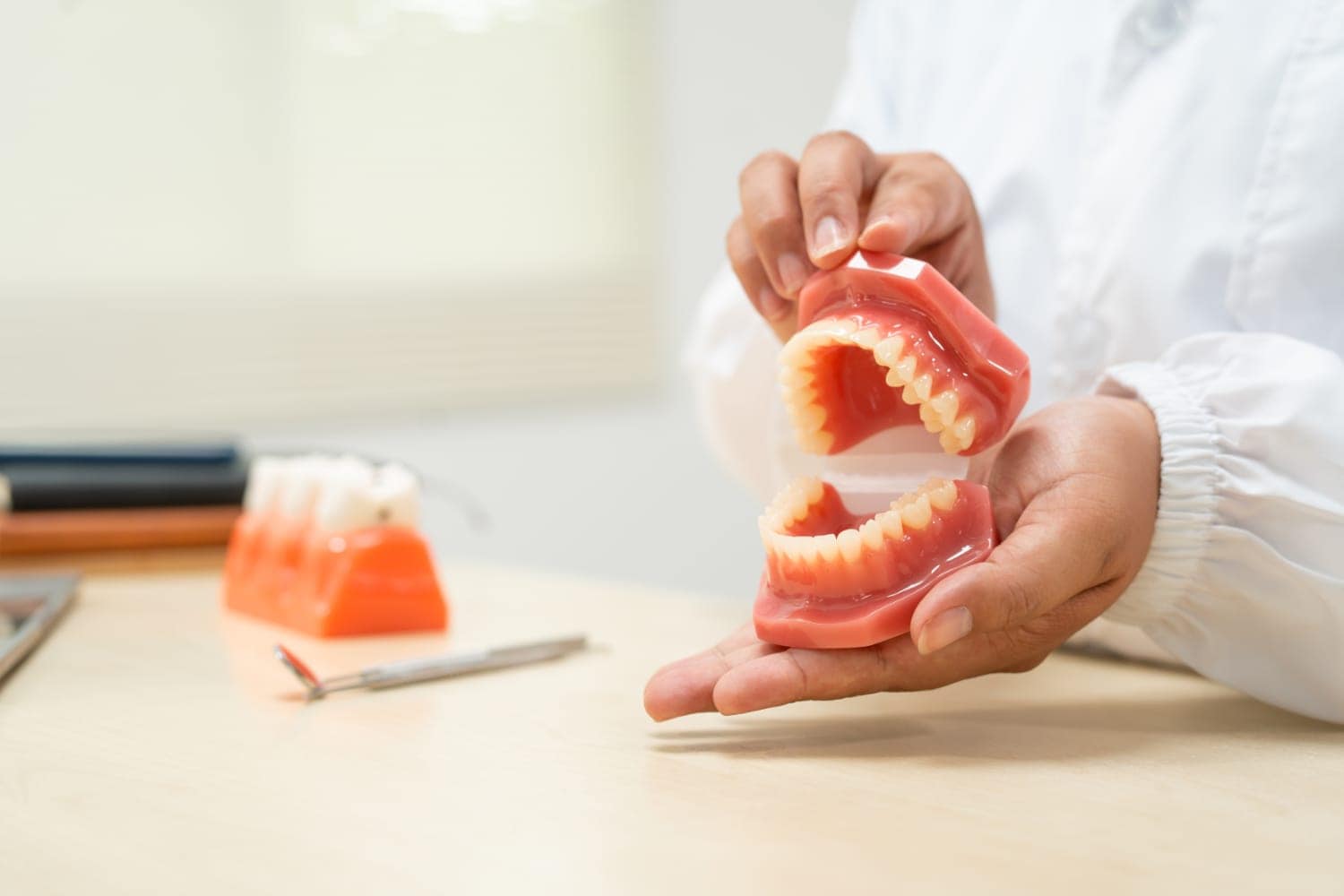
Dentures are meant to give you a full set of teeth again – but they’re not a “set and forget” job. Over time, your mouth changes shape, you might knock them around, and even normal wear can start causing some real problems with how they fit and feel. Knowing what the most common denture issues are can help Gold Coast residents work out if a visit to the denture clinic is on the cards.
Loads of people just assume that a bit of discomfort is just part of getting older, but in reality, most problems can be fixed with the right treatment. So it’s worth getting to know what causes these issues and how to fix them, so you can keep your mouth healthy and your quality of life on track.
Why Denture Problems Crop Up
Your mouth is always changing, and even after you get your dentures fitted, your gums and jawbone keep moving and changing shape. That gets in the way of how your dentures fit and work.
And let’s be honest, daily use takes its toll on denture materials – just think about all the chewing, talking, cleaning and accidental drops you put them through. Some problems creep up slowly, while others come out of the blue and need sorting right away.
Loosening Dentures
Loose dentures are one of the most common complaints from people who wear dentures.
A denture that once fitted snug as a bug may start flopping around when you eat or talk. This usually happens because the underlying gum and bone structure has shifted since the denture was first made.
Getting a Loose Denture Back on Track
A professional might recommend a denture reline, which is just a fancy way of saying that they’ll adjust the inside of the denture so it matches the shape of your gums as they are now.
But sometimes, particularly if you’ve got older dentures, it might make more sense to get a new one.
Sore Spots and Gum Irritation
It’s not uncommon for small areas of the gums to get irritated when a denture puts pressure on them.
You might notice these sore spots when you’re eating or after you’ve been wearing your dentures for a while. The thing is, if you just leave it, it’s going to get worse over time.
What to Do About It
A simple denture adjustment is usually all you need to sort out the problem. The dentist will identify the areas of pressure and tweak them so they’re not so uncomfortable any more.
And of course, a regular check-up can help spot these minor irritation issues before they become major problems.
Cracked Dentures
Denture materials are tough, but even they can develop cracks.
Dropping your dentures can cause a crack, or sometimes it’s just a case of gradual wear and tear over time. Either way, you don’t want to ignore a crack in your denture – even a small one can cause problems with fit and increase the risk of a complete breakage.
Broken Denture Teeth
Just like natural teeth, denture teeth can chip or break.
It’s easy enough for a hard food to snap a tooth off, or for an accident to cause a break. And once you’ve got a broken tooth, it can make eating and looking after your dentures a lot harder.
Fix It or Get a New One?
It really depends on the extent of the damage. A professional assessment will help decide if you can just get it fixed, or if a whole new denture is the way to go.
Trouble Eating Certain Foods
Loads of people with dentures find that their eating habits change.
You might find that you’re avoiding certain foods because they’re too hard or too sticky. It can be frustrating, especially if you’ve got a big appetite and used to eating a really varied diet.
Now, it’s not always down to the denture itself. Sometimes it’s just a matter of getting used to eating differently, or of getting a few adjustments to how your denture fits.
Cutting your food into wee bits and chewing evenly on both sides of your mouth can often help.
Speech Problems
Speech can be a bit wonky when you first get your dentures fitted.
It’s just that your tongue is getting used to the new shape in your mouth, and it can take some time to get used to making certain sounds. Most people sort themselves out in the end.
But if speech changes persist long after you’ve got your dentures fitted, a check-up might be in order. Sometimes, fit issues can be causing problems with pronunciation.
Bad Smells and Stains
Dentures need to be cleaned every day to stay fresh and hygienic.
Food particles, bacteria and plaque can all build up on the surface of your dentures if you don’t take care of them properly. Before you know it, you’ve got an unpleasant smell or unsightly stains.
A good clean and a bit of regular maintenance can keep your dentures looking their best and smelling sweet.
When to Replace Your Dentures
Lots of people wonder how long dentures are meant to last.
Well, the answer is that it varies depending on how well you look after them, and how much they change shape as your mouth changes. But if you find that you’re constantly getting adjustments or repairs, it might be time to get a new set.
Signs that you might need new dentures include persistent looseness, visible wear, recurring cracks, or just a general feeling that they don’t fit right.
The Benefits of Regular Denture Check-Ups
Getting regular check-ups at a well regarded clinic like Harvey Smiles Denture Clinic on the Gold Coast can help spot any problems before they become major issues.
Small adjustments can often stop minor irritation from getting worse, and regular check-ups ensure your dentures are still fitting properly as your mouth changes over time.
Loads of people only go to the denture clinic when something goes wrong. But it’s worth coming back regularly to keep your oral health on track.
The Bottom Line
Denture troubles are really all too common – but that doesn’t mean you have to just put up with them. Loose dentures, sore spots, cracks in your denture, a broken tooth or two, or struggling to get a bite right while eating can all usually be sorted out with a bit of professional help.
For folks living on the Gold Coast with dentures, being aware of the signs that something’s going wrong early on is pretty key to keeping things running smoothly. Getting a grasp on what causes these common problems in the first place lets you catch any issues before they spiral out of control – which means you can keep your dentures in top condition for years to come.